1. Personalized Rehabilitation Programs
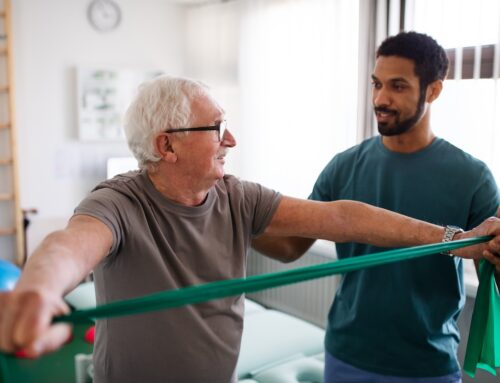
One of the most significant advancements in long-term rehabilitation for seniors is the development of personalized rehabilitation programs. These programs are tailored to meet the specific needs and goals of each individual patient. By conducting comprehensive assessments that include medical history, current health status, and personal preferences, healthcare providers can create customized plans that optimize recovery and improve overall well-being.
Personalized programs often combine various therapies, such as physical therapy, occupational therapy, and speech therapy, to address the multifaceted needs of seniors. This holistic approach ensures that all aspects of a patient’s health are considered, leading to better outcomes and a higher quality of life.
2. Telemedicine and Remote Monitoring
Telemedicine has revolutionized the way healthcare is delivered, particularly for seniors in long-term rehabilitation. Remote consultations with healthcare providers enable continuous monitoring and timely adjustments to treatment plans without the need for frequent in-person visits. This is especially beneficial for seniors with mobility issues or those living in rural areas with limited access to healthcare facilities.
Remote monitoring devices, such as wearable sensors and home-based health tracking systems, allow for real-time data collection on vital signs, physical activity, and other health indicators. Healthcare providers can analyze this data to detect potential issues early, provide timely interventions, and ensure that patients adhere to their rehabilitation programs.
3. Robotic Rehabilitation
Robotic rehabilitation is an emerging field that leverages robotics and automation to assist in the recovery process. Robotic devices, such as exoskeletons and robotic-assisted gait trainers, are used to help seniors regain mobility and strength. These devices provide precise, controlled movements that facilitate repetitive exercises essential for rehabilitation.
Robotic rehabilitation has been particularly effective in improving outcomes for seniors recovering from strokes, spinal cord injuries, and other neurological conditions. The technology allows for intensive, high-frequency training that is difficult to achieve with traditional therapy alone.
4. Virtual Reality and Gamification
Virtual reality (VR) and gamification are innovative approaches that make rehabilitation more engaging and enjoyable for seniors. VR technology creates immersive environments where patients can practice movements and exercises in a safe, controlled setting. This can help reduce anxiety and increase motivation, leading to better adherence to rehabilitation programs.
Gamification involves incorporating game-like elements, such as points, levels, and rewards, into rehabilitation exercises. This approach can make therapy sessions more fun and competitive, encouraging seniors to participate actively and consistently in their rehabilitation.
5. Cognitive Rehabilitation
Cognitive rehabilitation focuses on improving cognitive functions, such as memory, attention, and problem-solving skills, which can be affected by aging and conditions like dementia and stroke. Advances in this area include computer-based cognitive training programs that offer a wide range of exercises tailored to individual needs.
These programs use adaptive algorithms to adjust the difficulty level based on the user’s performance, ensuring that the exercises remain challenging yet achievable. Research has shown that regular cognitive training can help maintain or even improve cognitive functions in seniors, enhancing their overall quality of life.
6. Nutritional Support and Education
Proper nutrition plays a crucial role in the rehabilitation process, particularly for seniors who may have specific dietary needs or face challenges related to malnutrition. Advances in nutritional support include personalized meal plans that cater to individual health conditions and preferences. These plans are often developed in collaboration with dietitians and nutritionists to ensure they meet the unique needs of each patient.
Educational programs that teach seniors about the importance of nutrition and how to make healthy food choices are also an essential component of long-term rehabilitation. Empowering seniors with knowledge about nutrition can help them take an active role in their recovery and maintain better health outcomes.
7. Assistive Technologies
A wide range of assistive technologies has been developed to support seniors in their daily activities and enhance their independence. These technologies include mobility aids, such as walkers and wheelchairs, as well as more advanced devices like smart home systems and wearable health monitors.
Smart home systems can automate various household tasks and provide reminders for medication and appointments, while wearable health monitors track vital signs and activity levels. These technologies enable seniors to live more independently and safely, reducing the need for constant supervision and support.
8. Interdisciplinary Care Teams
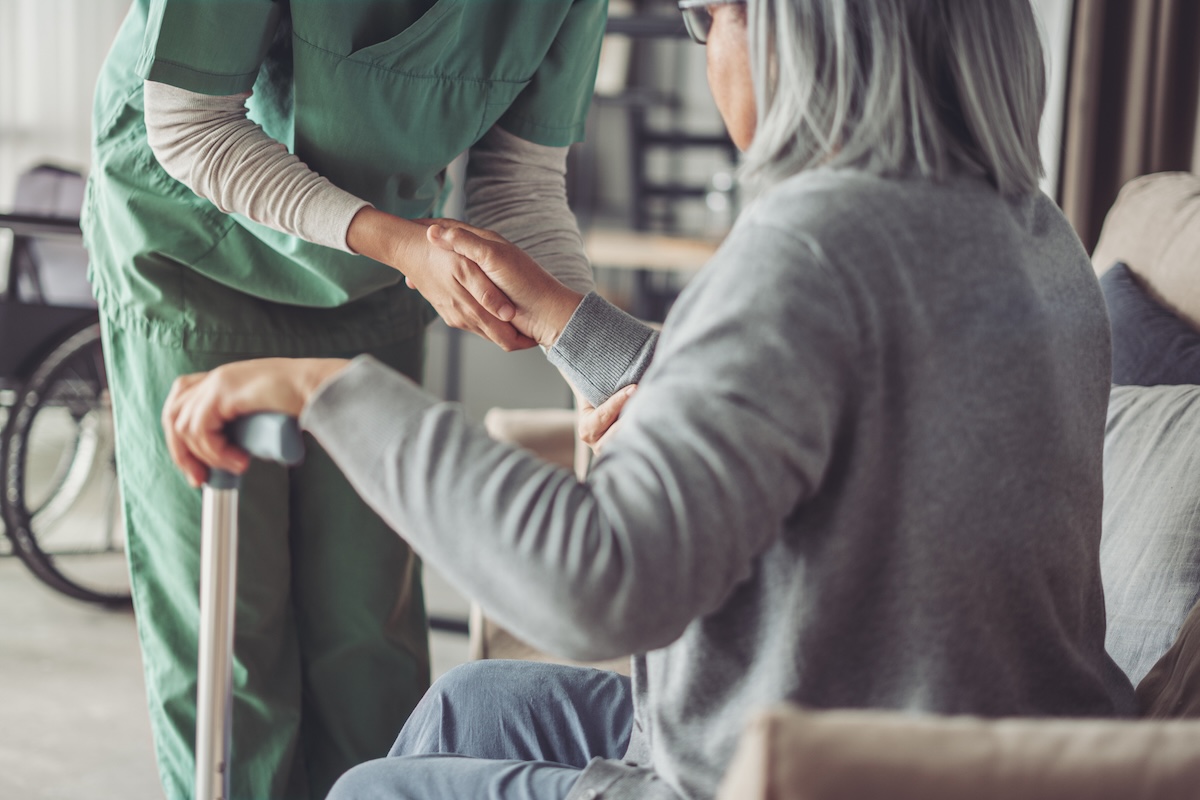
The use of interdisciplinary care teams has become a standard practice in long-term rehabilitation for seniors. These teams consist of healthcare professionals from various disciplines, including physicians, nurses, physical therapists, occupational therapists, speech therapists, social workers, and dietitians. By working collaboratively, these professionals can provide comprehensive care that addresses all aspects of a patient’s health and well-being.
Interdisciplinary care teams ensure that treatment plans are well-coordinated and that all members are informed about the patient’s progress and any changes in their condition. This collaborative approach leads to more effective care and better outcomes for seniors.
9. Patient and Family Education
Educating patients and their families about the rehabilitation process, expected outcomes, and how to support recovery at home is crucial for long-term success. Advances in this area include the development of educational materials and programs that are tailored to the needs of seniors and their caregivers.
These resources provide valuable information on topics such as medication management, home safety, and coping strategies for dealing with chronic conditions. By empowering patients and their families with knowledge, healthcare providers can help ensure that the benefits of rehabilitation are sustained over the long term.
10. Policy and Advocacy
Advances in policy and advocacy have also played a significant role in improving long-term rehabilitation for seniors. Efforts to increase funding for rehabilitation services, expand access to care, and promote the development of new technologies and treatments have all contributed to better outcomes for seniors.
Advocacy groups work to raise awareness about the importance of rehabilitation and to influence policy decisions that affect the availability and quality of care. These efforts help ensure that seniors have access to the resources and support they need to achieve the best possible outcomes.
Conclusion
The field of long-term rehabilitation for senior citizens has seen remarkable advancements in recent years. Personalized rehabilitation programs, telemedicine, robotic rehabilitation, virtual reality, cognitive rehabilitation, nutritional support, assistive technologies, interdisciplinary care teams, patient and family education, and policy and advocacy are all contributing to improved care and outcomes for seniors. As these advancements continue to evolve, they hold the promise of even greater improvements in the quality of life for older adults requiring long-term rehabilitation.
Silver Stream Nursing & Rehabilitation Center is the perfect place for patient rehabilitation. The architecture of the building looks like a castle, with a rustic stone exterior, set in a beautiful idyllic suburban landscape. Silver Stream Nursing & Rehabilitation Center offers a full range of on-site therapy services, managed under the expert direction of a Physiatrist focused on addressing each individual’s treatment needs.