The Impact of Socialization on Mental and Emotional Health
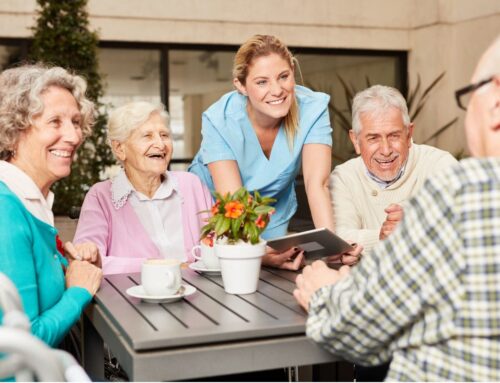
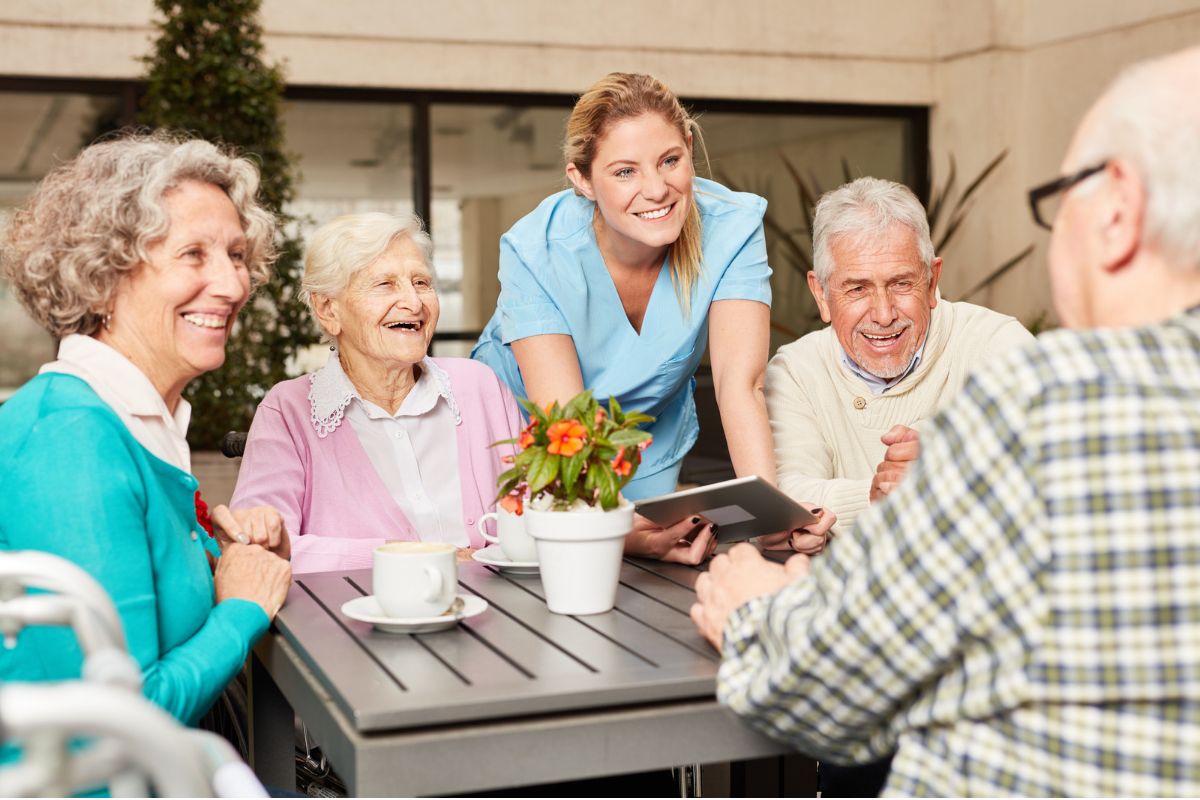
Loneliness and isolation are among the biggest challenges seniors face, often leading to depression and cognitive decline. Regular social interactions help combat these feelings by providing emotional support, companionship, and a sense of belonging. Studies have shown that socially active seniors tend to experience lower levels of stress and anxiety, contributing to improved mental well-being.
Physical Benefits of Social Engagement
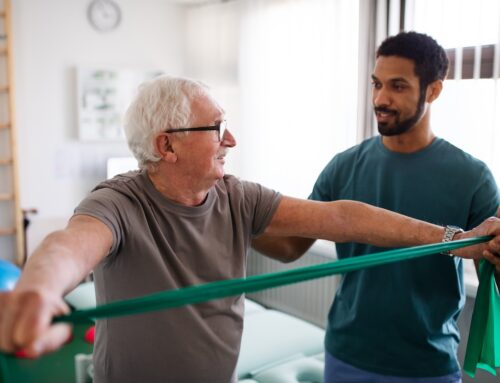
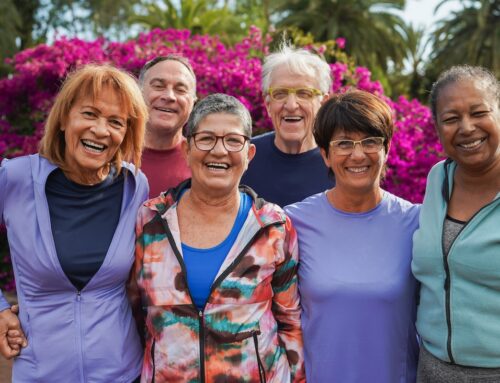
Beyond mental and emotional well-being, socialization also has a positive impact on physical health. Engaging in social activities often involves movement, whether through group exercises, dance classes, or walking with friends. These activities promote better circulation, flexibility, and overall physical health, reducing the risk of chronic illnesses such as heart disease and arthritis.
Furthermore, socially engaged individuals are more likely to adhere to prescribed health routines, take medications correctly, and maintain a balanced diet. Support from peers and caregivers ensures that seniors stay motivated to prioritize their physical health.
Ways Nursing Homes Foster Socialization
Nursing homes have recognized the importance of socialization and actively implement programs to encourage engagement among residents.
Some effective methods include:
- Group Activities – Organizing book clubs, crafting sessions, or musical performances fosters a sense of community and encourages participation.
- Exercise and Wellness Programs – Group yoga, tai chi, or light aerobic classes help keep residents physically active while promoting social interactions.
- Intergenerational Programs – Visits from school children or local community groups provide residents with joyful experiences and renewed enthusiasm.
- Technology Integration – Video calls, social media, and online games help residents stay in touch with family and friends outside the facility.
- Resident-Led Initiatives – Allowing residents to form clubs or lead discussion groups empowers them to build meaningful relationships and take ownership of their social experiences.
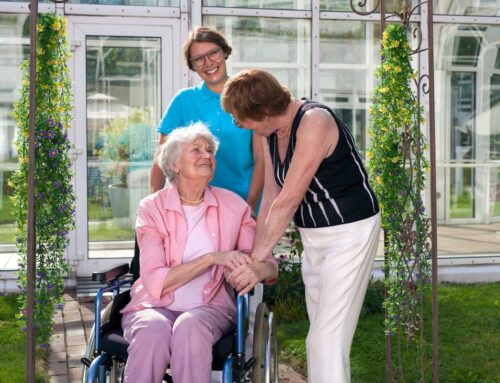
While nursing homes provide various social opportunities, family involvement remains a crucial factor in enhancing residents’ social lives. Regular visits, phone calls, and participating in special events contribute to a resident’s emotional stability and overall happiness. Additionally, community volunteers and local organizations can play an essential role in enriching the social environment of nursing homes.
Conclusion
Socialization in nursing homes is not just a luxury—it is a necessity. Strong social connections lead to happier, healthier, and more engaged residents. By fostering a vibrant and interactive community within nursing homes, we can ensure that seniors continue to lead meaningful and enriched lives. Encouraging family involvement, implementing group activities, and embracing new ways to connect can make a world of difference in the lives of elderly residents.