
Silver Stream’s Covid-19 Reopening Plan
We're pleased to post our implementation plan for reopening our facility in accordance with the Pennsylvania Department of Health's guidance for skilled nursing facilities during Covid-19. Download PDF

Long-Term Care Options For Your Aging Loved One
Selecting a long-term care facility for your family member can be as difficult as accepting that it is needed. There’s a lot to consider, including: location, quality of care, medical and rehab services, finances and insurance. Take time to learn about your options and get comfortable with your choice.

Ways Seniors Can Stay Active During COVID-19 Social Distancing
The coronavirus pandemic has turned life upside down for just about everyone, preventing people throughout the world from working, socializing, and performing everyday activities. Older adults — at a higher risk of serious complications from COVID-19 —are more likely to restrict their activities significantly to reduce their chances of contracting coronavirus.

Update On Treatments for Alzheimer’s Disease
A worldwide quest is under way to find new treatments to stop, slow or even prevent Alzheimer's disease. Because new drugs take years to produce from concept to market — and because drugs that seem [...]

Guide For Senior Citizens On Reopening During COVID-19
Public health experts offered advice to senior citizens and family members caring for aging relatives about staying healthy as businesses reopen. Their strongest advice: Regardless of the current phase of reopening the economy, seniors are safest staying at home.

Nursing Home Care After Hospitalization
If your loved one is in the hospital and needs continued care after a major illness or injury, the physician may recommend nursing home placement. The hospital discharge planner is responsible for arranging for your loved one to be assessed by the appropriate agency to determine if nursing home care is appropriate and, if it is, to assign the appropriate level of care.

Celebrate Older Americans Month
May is Older Americans Month and I think a great way for Americans to celebrate is to check their stereotypes on aging.


We Need Nurses Aides To Help Us Help Our Residents
Do you want to help out during these unprecedented times of the COVID-19 emergency? Anyone who is physically able to help out and support our elderly and others during their time of need can help out by becoming a Temporary Nurse Aide. All that is needed is to complete the 8-hour course in the link below and you will be ready for a rewarding position.
Caring For The Elderly During COVID-19
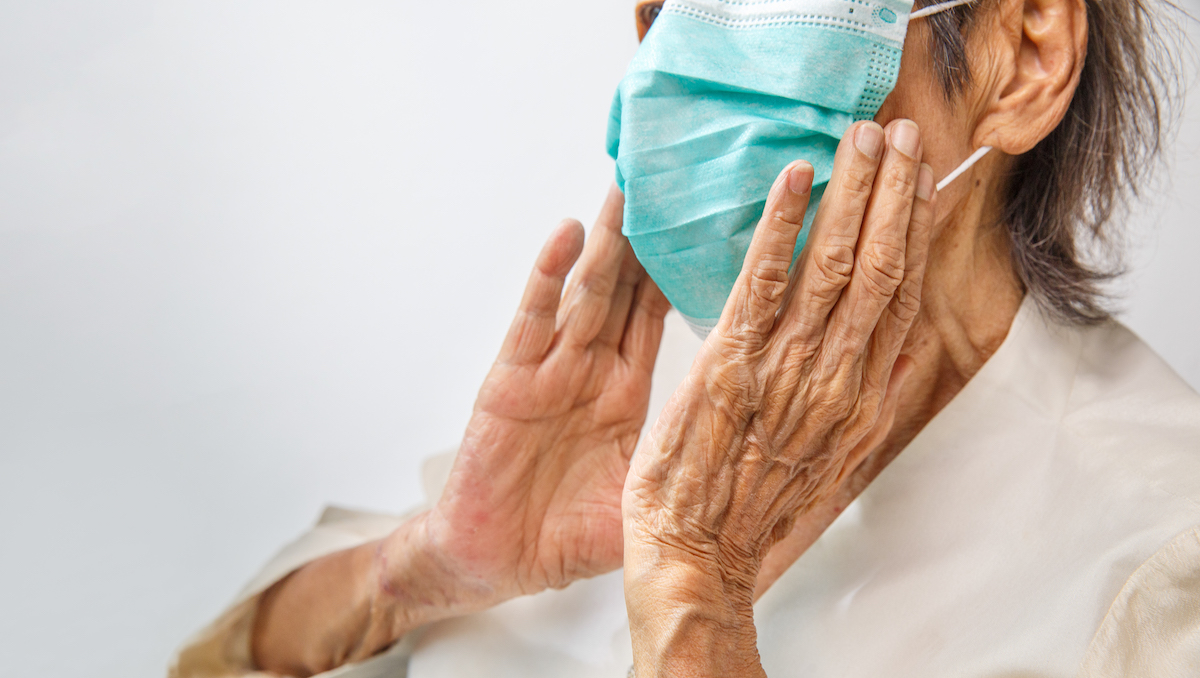
When it comes to COVID-19, the disease caused by the new coronavirus, older people are especially vulnerable to severe illness. Research is showing that adults 60 and older, especially those with preexisting medical conditions, especially heart disease, lung disease, diabetes or cancer are more likely to have severe — even deadly — coronavirus infection than other age groups.
Senior Living During COVID-19
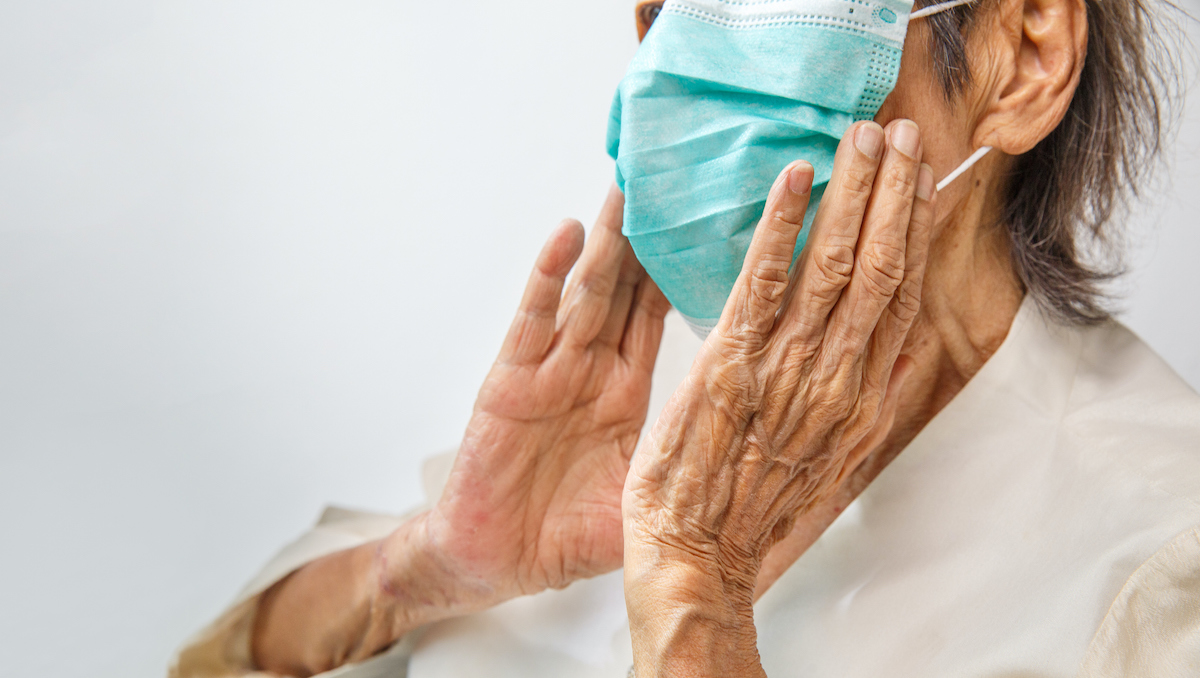
We are dedicated to providing your loved one with the safest possible environment during these challenging times so if you have any concerns please don't hesitate to reach out to us. It's only natural that you would have questions about what the best course of action is so we hope this will provide useful information.
Should Everyone Over 60 Take The Same Coronavirus Precautions?
Are precautions of the sort the CDC has endorsed really necessary, even in areas where the new coronavirus doesn’t yet appear to be circulating widely? What about disease-free adults in their 60s and 70s? Do they need to worry about going to a restaurant or a friend’s house for dinner? Are all outside activities ill-advised?